Solar-Powered Telecom Towers: Pakistan's Green Revolution in Connectivity
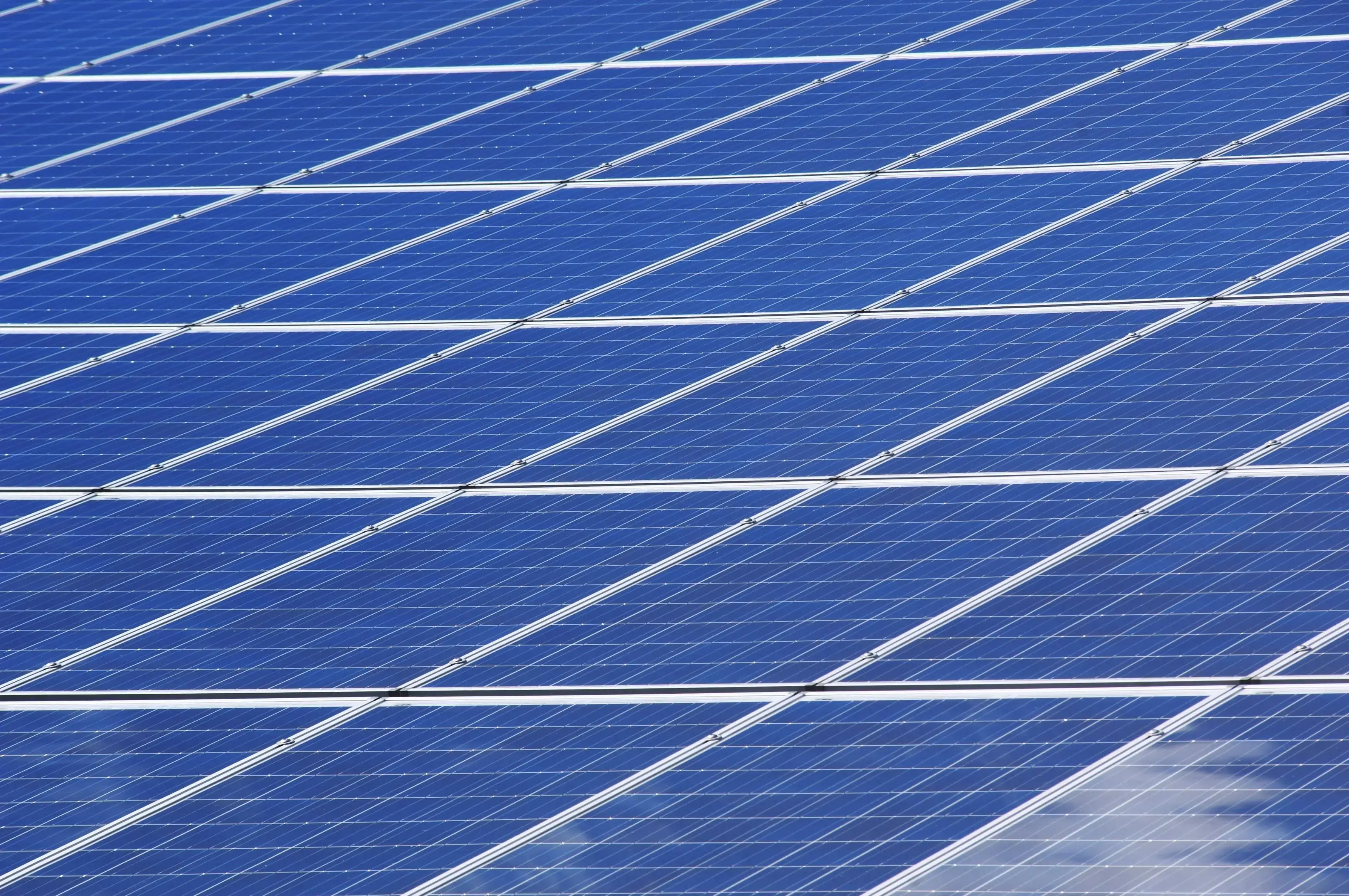
Pakistan has over 50,000 active mobile network towers — and the vast majority of them consume diesel fuel around the clock. With electricity costs rising, fuel prices volatile, and environmental pressures intensifying, solarization of Pakistan's telecom tower infrastructure has moved from experimental to essential. This shift is one of the most significant — and least discussed — transformations happening in Pakistan's technology landscape.
The numbers are compelling. A single diesel-powered Base Transceiver Station (BTS) can consume 15–20 litres of fuel per day during grid outages. Multiply that across thousands of towers and hundreds of load-shedding hours, and the operational cost — and carbon footprint — becomes enormous. Solar power changes that equation fundamentally.
Why Solar Makes Perfect Sense for Pakistan's Towers
Pakistan is extraordinarily well-positioned for solar energy adoption. With an average solar irradiance of 5–5.5 kWh/m² per day across most of the country — and even higher in Balochistan and Sindh — Pakistan's towers can generate substantial solar power for the majority of the year.
The economics are increasingly decisive. The cost of solar panels and lithium-ion battery storage has fallen by over 80% in the past decade. A solar-hybrid BTS installation that might have seemed prohibitively expensive in 2015 now pays for itself in 3–4 years through fuel and grid electricity savings — and then generates essentially free power for the remaining 15+ years of the system's life.
Solar Deployment Models for Telecom Sites
Solar-Diesel Hybrid
The most common entry point for tower solarization in Pakistan. Solar panels and a battery bank handle the load during daylight and for several hours after sunset. The existing diesel generator serves as backup only when the battery is depleted — typically running for only 2–4 hours per day instead of 10–20 hours. This model reduces diesel consumption by 60–80% immediately.
Solar + Battery (Off-Grid)
For sites with severely unreliable grid power — common in rural areas of Punjab, KPK, Balochistan, and Sindh — a fully off-grid solar plus battery storage system eliminates the diesel generator entirely. Modern lithium iron phosphate (LFP) batteries can store enough energy to carry a site through multiple overcast days, making this approach viable even in less sunny regions.
Grid-Tied Solar with Net Metering
For urban sites with stable grid access, grid-tied solar installations with net metering allow tower operators to offset their electricity bills by feeding excess solar generation back to the grid. This is particularly relevant for Pakistan's major cities where WAPDA/DISCO net metering programmes are active.
Pakistan's Telecom Operators Leading Solarization
Pakistan's major mobile network operators — Jazz, Telenor, Zong, and Ufone — have all made solarization a stated strategic priority, driven by both cost pressures and ESG (Environmental, Social, and Governance) commitments. Jazz has publicly committed to converting thousands of its tower sites to solar hybrid by 2030. Telenor Pakistan similarly has aggressive green energy targets embedded in its parent group's global sustainability framework.
Tower companies like TAWAL (formerly PTCL Towers) and Engro's tower subsidiary are also investing in solar infrastructure as they compete to offer greener hosting options to their MNO tenants.
Converting 10,000 diesel-heavy BTS sites to solar-hybrid could eliminate over 500,000 tonnes of CO₂ emissions annually — equivalent to removing more than 100,000 cars from Pakistan's roads. Telecom solarization is one of the highest-impact green initiatives available to Pakistan's corporate sector.
Key Components of a Solar Telecom Site
- Solar PV Panels: Monocrystalline panels (400W–600W each) mounted on ground frames or rooftop structures, sized to the site's power load
- Charge Controller / Hybrid Inverter: Manages power flow between solar, battery, grid/generator, and the BTS load
- Battery Bank: Lithium iron phosphate (LFP) preferred for telecom applications due to long cycle life (3,000–6,000 cycles) and thermal stability
- DC Power System: Most BTS equipment runs on 48V DC, enabling direct solar/battery integration without AC conversion losses
- Remote Monitoring: IoT-based energy management systems that track solar generation, battery state of charge, and grid/generator runtime remotely
- Physical Security: Fencing and enclosures to protect panels and batteries from theft and environmental damage
Challenges in Telecom Solarization
Despite the compelling economics, solarization is not without its challenges in Pakistan's context:
- Capital expenditure: Initial installation costs remain significant, though financing models and energy-as-a-service (EaaS) arrangements are emerging to spread the investment
- Battery theft and vandalism: Batteries are valuable assets that attract theft, particularly in remote locations with limited security
- Dust and maintenance: Pakistan's dusty environment — particularly in Punjab and Balochistan — requires regular panel cleaning to maintain efficiency
- Site-specific design: Each tower site requires a custom solar solution based on its power load, grid reliability, shading conditions, and available space
Celmore Technologies: Solar Solutions for Telecom
Celmore Technologies provides comprehensive solar-hybrid energy solutions for telecom tower operators and tower companies across Pakistan. Our solar practice covers:
- Site energy audit and solar feasibility assessment
- System design — solar array sizing, battery selection, inverter specification
- Supply, installation, and commissioning of solar-hybrid systems
- Remote monitoring system setup and integration
- Preventive and corrective maintenance contracts
- Battery upgrade and expansion for existing solar installations
Whether you operate a single site that needs to reduce its diesel bill or a portfolio of hundreds of towers requiring a systematic solarization programme, Celmore Technologies delivers engineered solutions built for Pakistan's specific climate, grid conditions, and operational context.
Solarize Your Telecom Infrastructure
Reduce energy costs, cut diesel dependency, and meet your sustainability targets. Talk to our solar engineers.
Get a Solar Assessment